Black Mold?
Don't Take Chances! Call the Top Disaster
Recovery Company in Homestead and get cleaned up FAST!



Why Choose Us?
- Free Estimates
- Available 24/7/365
- 60 Minute Rapid Response
- Fully Licensed And Insured
- We Work With Your Insurance Company
Call Now (786) 946-8230
Mold Removal in Homestead, Florida
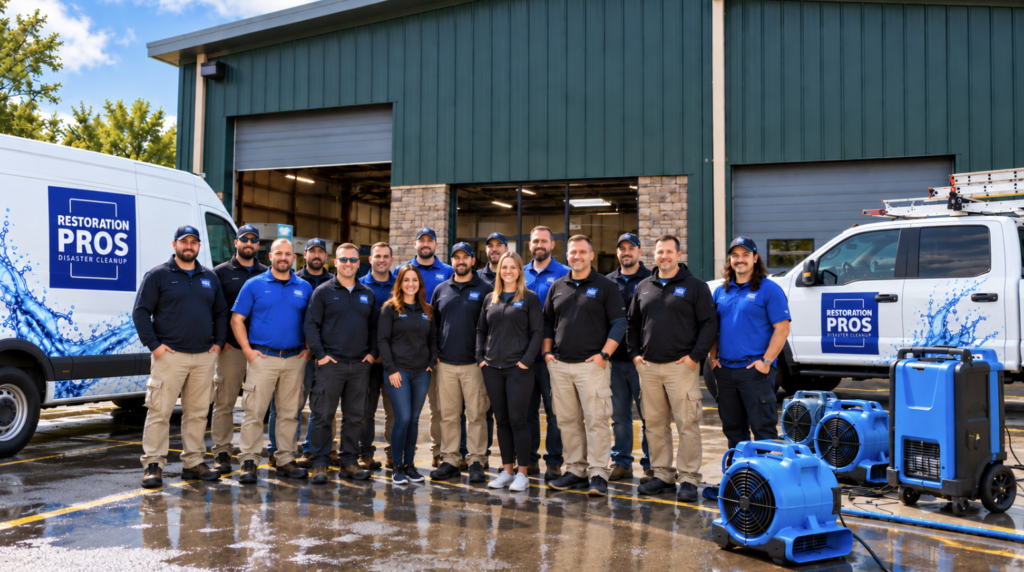
Finding mold, a musty odor, or dark staining in your property is a reason to act on the moisture problem, not just wipe the surface. Our team helps homeowners, landlords, property managers, and commercial property owners inspect the affected area, control the work zone, and plan safe mold remediation. We work in homes, condominiums, rentals, offices, warehouses, and other occupied properties.
We start by looking for the condition that supports mold growth. Plumbing leaks, roof leaks, foundation moisture, condensation, high humidity, poor ventilation, and past water intrusion all require different decisions. We use moisture meters and a careful visual inspection to find damp drywall, insulation, flooring, framing, cabinetry, carpet, attic materials, or other affected areas that are not obvious from the room’s surface.
Our first step is a moisture assessment. We review the history of the problem, inspect nearby rooms, and check areas around plumbing, windows, roofs, air-conditioning systems, and exterior walls. Moisture readings help show whether materials are still damp. This information guides the containment and removal plan.
Need Restoration Help in Homestead? Call (786) 946-8230
The work is documented from the first inspection through cleaning and repair planning. Our technicians explain what they find, protect unaffected areas, and keep you informed about material removal, drying, and the steps that remain. We are IICRC Certified and BBB Registered, and our process focuses on correcting the moisture source instead of treating only the visible growth.
How Our Mold Remediation Process Works
Next, we establish a controlled work area. Containment materials help separate the affected space from occupied areas, while HEPA filtration and air scrubbers help manage dust and airborne debris during the work. Negative-air equipment is used when the site calls for that level of control. Dehumidifiers and other drying equipment help lower remaining moisture, with placement planned around people, contents, electrical areas, and access paths.
Materials receive different treatment based on their condition. Affected drywall, insulation, carpet, or other porous materials may require controlled removal when cleaning will not restore them. Surfaces that remain are cleaned with HEPA equipment and suitable methods. Wood framing, subfloors, cabinets, and other semi-porous materials receive a closer review because their condition affects the repair plan.
After the cleanup, we check moisture conditions again and explain the remaining repairs. The repair plan may include drywall replacement, insulation work, flooring, painting, or finish carpentry. Mold remediation is not finished by surface cleaning alone. The source of moisture must be corrected, and the affected area must be dry enough to support the next stage of the work.
Mold Remediation for Commercial Properties
Commercial mold cleanup requires planning beyond the affected room. Offices, warehouses, mixed-use buildings, and other commercial properties may have occupied areas, stored materials, equipment, shared walls, or multiple tenant spaces. Our team plans access routes, work zones, equipment placement, contents handling, and communication around the building’s daily operations.
For landlords and property managers, clear records help separate inspected areas from areas that still need repair. We document visible conditions, moisture readings, containment decisions, material removal, and the work that remains. That record gives owners and occupants a clearer understanding of the property’s condition without claiming that every area has the same level of damage.
Preventing Moisture From Returning
After cleanup, repair the leak, drainage issue, or ventilation problem that allowed materials to stay damp. A dry surface alone does not show whether moisture remains inside a wall or below flooring. We explain which areas need follow-up before finishes are replaced.
Keep repaired areas ventilated and follow the drying and moisture-control guidance provided after the work. If a musty odor, new staining, or dampness returns, arrange a follow-up assessment rather than covering the signs with paint.
Frequently Asked Questions
What is the first step in mold remediation?
The first step is an inspection and moisture assessment. We review the history of the problem, look for the moisture source, and use moisture readings to identify damp materials that need attention.
Does visible mold always mean materials must be removed?
No. The needed treatment depends on the material, its condition, and whether it can be cleaned safely. We assess drywall, insulation, flooring, framing, cabinets, carpet, and other affected materials before planning removal.
Why is correcting the moisture source important?
Correcting the moisture source is important because ongoing dampness supports continued mold growth. We look for leaks, condensation, humidity, poor ventilation, and other conditions that keep materials wet.
How do you keep mold cleanup contained?
We establish a controlled work area and use containment materials to separate it from unaffected spaces. HEPA filtration, air scrubbers, and negative-air equipment are used according to the needs of the site.
What happens to damaged drywall or insulation?
Damaged drywall or insulation is assessed for controlled removal. Porous materials that cannot be cleaned effectively are removed, while materials that remain suitable for cleaning receive the planned treatment.
Can mold remediation be performed in an occupied commercial building?
Yes. Commercial cleanup starts with planning for occupied areas, access routes, equipment placement, contents, and business operations. Work zones are organized to limit disruption while the affected areas are addressed.
What documentation do property owners receive?
We document conditions such as affected areas, moisture readings, containment decisions, material removal, cleaning, and remaining repairs. This gives owners and managers a clearer record of the work.
Does mold remediation include rebuilding?
Mold remediation addresses the moisture problem, containment, cleaning, drying, and affected-material removal. After that work, we explain repairs such as drywall replacement, flooring, insulation, painting, or finish carpentry that remain.